MS steel product supplier in Vadodara

Categories
MS Sheet

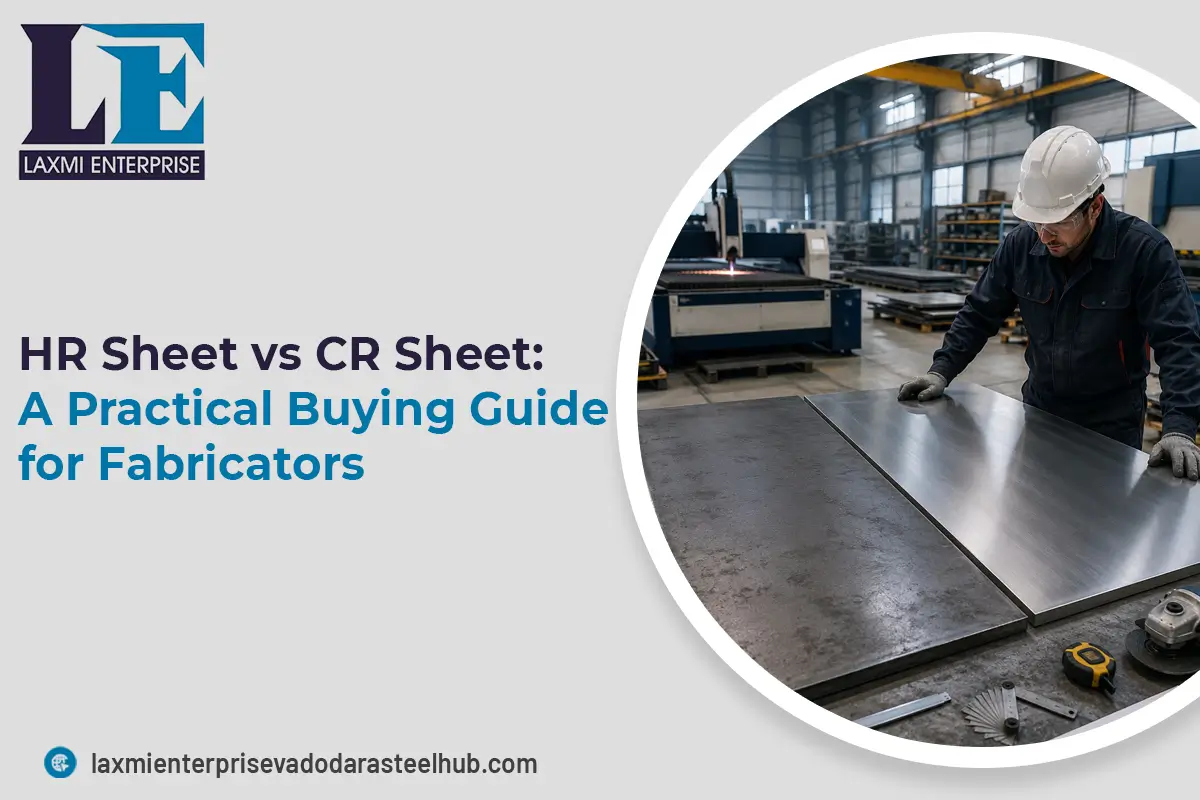
HR Sheet vs CR Sheet: A Practical Buying Guide for Fabricators

Choosing between HR (Hot Rolled) sheet and CR (Cold Rolled) sheet is an important decision for fabricators. Both are steel products, but they differ in how they are produced, their surface finish, dimensional accuracy, and typical applications. The right choice depends on what you are making, how the sheet will be processed, and what finish the final product needs.

What Is an HR Sheet?

HR sheet, or Hot Rolled sheet, is produced by rolling steel at high temperatures. The process makes it suitable for producing thicker sheets and large structural or industrial components. HR sheets are widely used in construction, engineering, fabrication, steel structures, and industrial applications. As an MS sheet supplier in Vadodara, Laxmi Enterprise supplies HR sheets in standard and customised sizes, including options from brands such as TATA, SAIL, JINDAL, and ESSAR. 

What is a CR Sheet?

CR sheet, or Cold Rolled sheet, is processed further at room temperature after hot rolling. This additional processing provides better surface finish and dimensional accuracy. CR sheets are commonly used where appearance, smooth surfaces, and closer dimensional control are important. As a CR sheet supplier in Vadodara, Laxmi Enterprise lists CR sheets for industrial applications and supplies them in rectangular formats.

HR Sheet vs CR Sheet: Key Differences

FactorHR SheetCR Sheet
ManufacturingRolled at high temperatureFurther processed at room temperature
Surface finishRougher, less uniformSmoother and cleaner
Dimensional accuracyGoodGenerally higher
Typical useStructural and heavy fabricationPrecision and appearance-focused applications
CostGenerally more economicalGenerally higher
Best suited forHeavy-duty fabricationComponents requiring better finish and accuracy

Which One Should a Fabricator Choose?

The simplest way to decide is to start with the application rather than the price.

Choose HR Sheet When:

  • You are making structural or heavy-duty components
  • Surface appearance is not the main priority
  • The project requires thicker material
  • Cost efficiency is important
  • The sheet will undergo further fabrication or finishing

HR sheet is particularly practical for general fabrication, industrial structures, and engineering applications.

Choose CR Sheet When:

  • You need a smooth and cleaner surface
  • Dimensional accuracy is important
  • The finished product will remain visible
  • The component requires a better surface for painting or finishing
  • The application demands tighter control over the sheet’s form and finish

CR sheet is commonly selected for applications where surface quality and dimensional consistency matter more than the lower initial material cost.

Check These Details Before Ordering

Before placing an order, confirm:

  • Steel grade
  • Sheet thickness
  • Length and width
  • Required surface finish
  • Application
  • Quantity
  • Required standard or specification
  • Brand or mill preference
  • Material documentation or test certificate, if required

These details help your MS steel supplier in Vadodara recommend the appropriate sheet instead of simply supplying whatever is readily available.

Why Your Steel Supplier Matters

The right material is only useful when you receive it in the correct grade, size, thickness, and specification. A reliable supplier should understand your fabrication requirement and help you select the appropriate product.

About Laxmi Enterprise

Laxmi Enterprise, an MS steel supplier in Vadodara, offers a wide range of mild steel products including TMT bars, beams, channels, angles, pipes, flat bars, sheets, plates and roofing sheets. Send us your list and quantity of MS product requirements and get a quote.

Whether you need HR sheet for heavy fabrication or CR sheet for applications where finish and dimensional accuracy matter, contact Laxmi Enterprise to discuss your material requirements and get the right steel for your project.
Categories
MS Steel

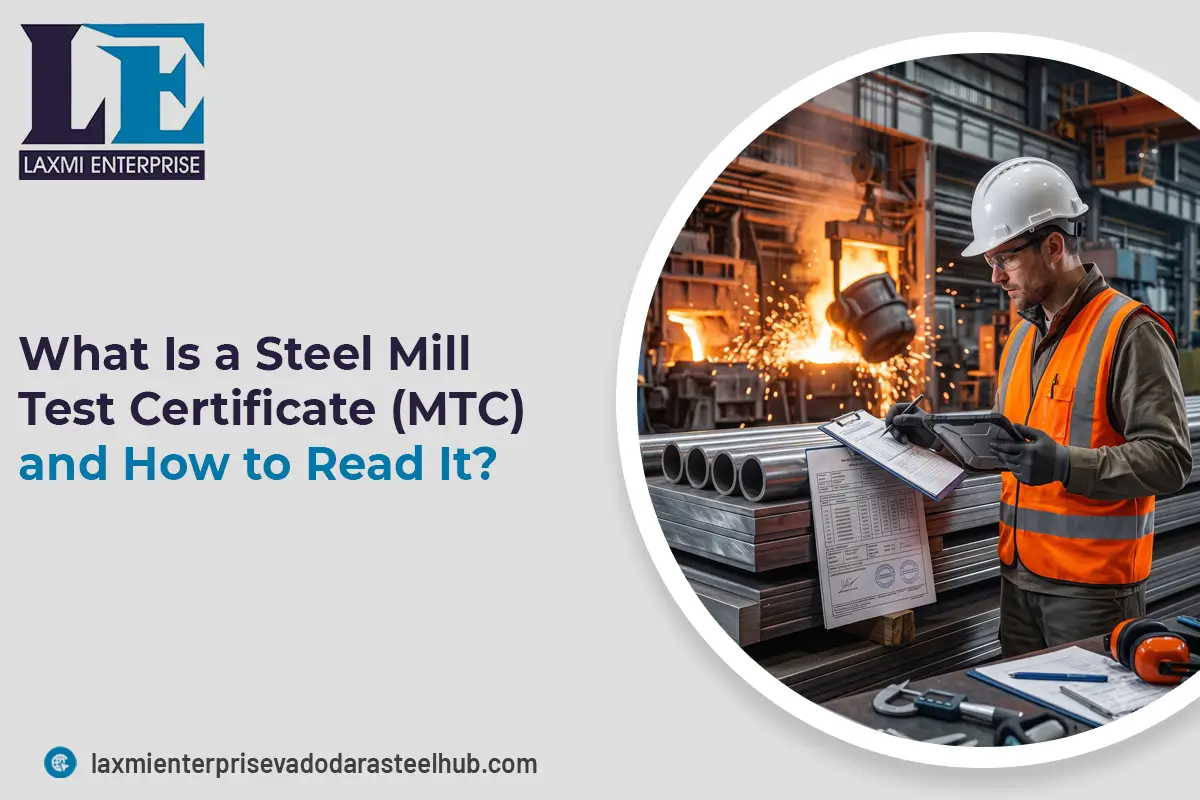
What Is a Steel Mill Test Certificate (MTC) and How to Read It?

When you buy steel, you need to know that it is the right grade, quality, and strength for your project. You cannot confirm this just by looking at the steel. Two plates may look identical but have different chemical compositions and mechanical properties. A Mill Test Certificate (MTC) provides this important information. It records details about the steel, including its grade, chemical composition, mechanical properties, and applicable standards. In this guide, we’ll explain what an MTC is, what information it contains, and how to read it in simple terms.

What Is a Mill Test Certificate (MTC)?

A Mill Test Certificate (MTC) is a quality document issued by the steel manufacturer or mill. It provides details about the steel’s chemical composition, mechanical properties, grade, and applicable standards, confirming that the material meets the required specifications.

It may also be called a Mill Test Report (MTR) or Material Test Certificate. Regardless of the name, its purpose is the same: to verify the quality and specifications of the steel. When buying from an MS Steel Supplier in Vadodara, asking for an MTC can help you confirm that the material supplied matches your project requirements.

Why the Mill Test Certificate Matters

The MTC is important for several reasons:

  • Proof of Quality: It confirms that the steel meets the grade and standard you ordered.
  • Traceability: It links the steel to the specific batch in which it was produced.
  • Safety and Compliance: For construction, pressure vessels, and structural applications, certified steel helps ensure that the required quality and safety standards are met.
  • Protection: It helps reduce the risk of receiving inferior, incorrect, or wrongly labelled material.
  • Record Keeping: MTCs are often required for audits, project documentation, quality checks, and export requirements.

Types of Mill Test Certificates

Under the common standard EN 10204, there are different types of test certificates. The main ones are shown below.

TypeWhat It Means
2.1A statement that the steel meets the order, with no test results included
2.2A test report based on the mill’s general (non-specific) testing
3.1A certificate with test results from the actual material, checked by the mill’s own inspection authority
3.2A certificate validated by both the mill and an independent or third-party inspector

What Information Is on a Mill Test Certificate?

An MTC contains important details that help you identify, verify, and trace the steel. Here is what you will usually find:

  • Manufacturer Details: The name and details of the steel mill that produced the material.
  • Certificate Number and Date: A unique reference number and issue date for records.
  • Product Description: The steel type, grade, dimensions, and quantity supplied.
  • Standard or Specification: The standard the steel meets, such as IS 2062, ASTM, or EN.
  • Heat or Cast Number: A unique batch number that helps trace the steel back to its original production melt.
  • Chemical composition: The percentage of elements such as carbon, manganese, silicon, and other alloying elements.
  • Mechanical Properties: Test results such as yield strength, tensile strength, and elongation.
  • Heat Treatment Condition: Details of any treatment applied to the steel, such as normalized or annealed.
  • Authorized Signature or Stamp: Confirmation from the manufacturer’s quality or inspection department.

Understanding the Chemical Composition

The chemical composition section shows the percentage of different elements present in the steel. Each element affects the steel’s strength, hardness, weldability, and overall performance.

  • Carbon (C): Increases strength and hardness, but too much can make steel more difficult to weld.
  • Manganese (Mn): Improves strength and toughness.
  • Silicon (Si): Helps during steel production and can contribute to strength.
  • Sulphur (S) and Phosphorus (P): These are generally kept at low levels because higher amounts can affect the steel’s quality and performance.

You may also find Carbon Equivalent (CE) on the certificate. It indicates how easily the steel can be welded. Always check that the values listed on the MTC fall within the limits specified by the relevant steel standard.

How to Read a Mill Test Certificate: Step by Step

Checking an MTC may seem complicated at first, but you can follow a few simple steps:

  • Check the Certificate Type: Confirm that the certificate meets your project requirements, such as EN 10204 Type 3.1.
  • Match the Product Details: Make sure the steel grade, size, thickness, and quantity match your order.
  • Check the Standard: Confirm that the material complies with the required standard, such as IS, ASTM, or EN.
  • Check the Heat or Cast Number: This number provides traceability and should match the identification marked on the steel.
  • Review the Chemical Composition: Make sure the listed element percentages fall within the limits specified by the relevant standard.
  • Check the Mechanical Properties: Verify that values such as yield strength, tensile strength, and elongation meet the required specifications.
  • Check the Certification and Approval: Look for the required signature, stamp, or certification from the authorised inspection or quality authority.

Buy Certified Steel from a Trusted Supplier

A Mill Test Certificate gives you confidence that the steel you receive matches the required grade, quality, and specifications. That’s why it is important to buy from a supplier who provides proper documentation with the material.

Laxmi Enterprise, an MS steel product supplier in Vadodara, supplies quality steel for a wide range of applications, along with the necessary material documentation. If you need certified steel or have questions about steel grades, specifications, or MTCs, contact Laxmi Enterprise for reliable supply and support.

Frequently Asked Questions (FAQs)

A Mill Test Certificate (MTC) is a document issued by the steel mill that certifies the chemical composition and mechanical properties of the steel and confirms that it meets the required standard. It is also called a Mill Test Report (MTR) or Material Test Certificate.

A Type 3.1 certificate reports the actual test results for your material, checked by the mill’s own inspection authority. A Type 3.2 certificate is also validated by an independent or third-party inspector, giving an extra level of verification.

The heat or cast number is a batch number that traces the steel back to the exact melt it was produced from. It is important for traceability and should match the markings on the steel.

Start by confirming the grade, size, and standard match your order, then check that the heat number is present and the chemical and mechanical values are within the standard’s limits.

Categories
MS Steel

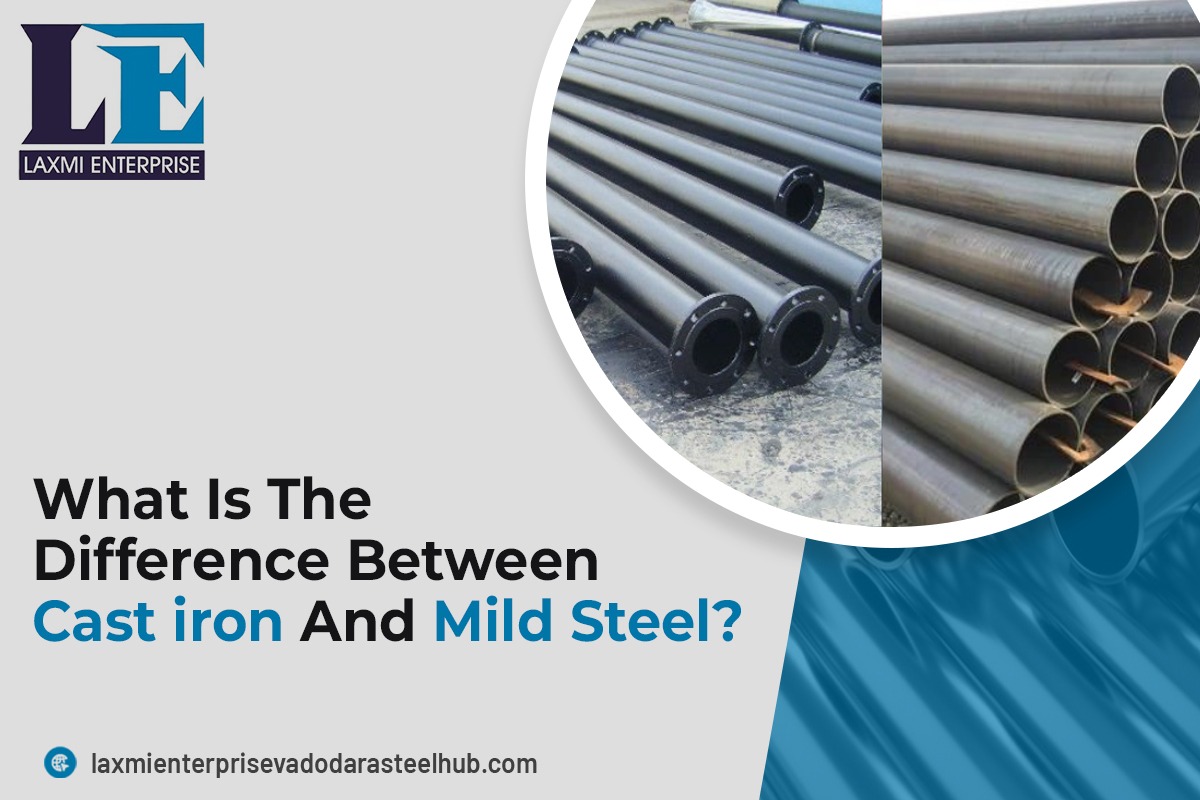
What is the Difference Between Cast Iron and Mild Steel?

Metals are the foundation of the manufacturing industries. Most of the manufacturers use iron and steel because of their qualities, like high tensile strength, durability, and ability to retain luster for a long time. However, some people debate upon the qualities of cast iron, claiming that it is stronger than mild steel. In this blog, we will explore the differences between cast iron and mild steel. 

What is Cast Iron?

Cast iron is formed by smelting the alloy of iron and carbon. The carbon content of this iron is only 2–4%. After that, the ironsmith pours iron into the mold instead of shaping it with a hammer and tools. It also contains silicone, sulfur, phosphorus, and manganese. It possesses several mechanical qualities, including toughness, ductility, hardness, and elasticity. There are various types of grey iron, white iron, malleable iron, ductile iron, and compacted iron graphite. 

What is Mild Steel?

It is a type of steel with an extremely low percentage of carbon content. Typical concentrations of steel found are around 0.05% to 0.25%. Due to the lesser amount of carbon, the steel is more ductile, machinable, and easier to weld. Mild steel also contains high levels of iron and ferrite, making it magnetic.

In the manufacturing sector, mild steel is a common choice for building automobiles, tools, machinery, and weapons. The low concentrations of carbon make this steel more affordable than high-carbon steel; however, it requires a proper coating to ensure longevity. Laxmi Enterprise provides the highest quality of zinc-coated mild-steel bars. As a leading MS steel supplier in Vadodara, we source our mild steel from trusted manufacturers, including MS pipes, MS beams, MS channels, TMT bars, etc. Each one is sourced, expertly customized, and consistently fulfils your needs.

Also Check: Maintenance Tips for Mild Steel

Difference Between Cast Iron and Mild Steel

FeatureCast IronMild Steel
CompositionContains 2–4% carbon, along with silicon and traces of other elementsContains up to 0.25% carbon, with iron as the primary element
StrengthHigh compressive strength but lower tensile strengthHigh tensile strength and good ductility
HardnessHard and brittleSofter and more malleable
Ductility & MalleabilityLow ductility; breaks under sudden impactHigh ductility; can bend and shape easily
Corrosion ResistanceModerate corrosion resistance due to high carbon contentLower corrosion resistance unless coated or treated
MachinabilityEasy to machine but produces brittle chipsGood machinability with continuous chips
WeldabilityPoor weldability due to brittlenessExcellent weldability
Common UsesEngine blocks, pipes, manhole covers, and cookwareautomobile
CostGenerally cheaperSlightly more expensive
AppearanceDull grey with rough textureSmooth surface, silvery-grey

Conclusion

Although cast iron and mild steel appear to be similar, they have a lot of differences. They are both used in manufacturing units for different purposes. Mild steel stands out as an excellent choice of metal, as it is durable, has high tensile strength, is cheaper, has excellent weldability, and is resistant to corrosion. For all your MS steel products, choose Laxmi Enterprise MS steel product supplier in Vadodara. Our products are carefully curated to meet the needs and expectations of our customers. They are tailored to the requirements of the client and the application. Call us to discuss your requirements. 

Also Read: The Role of Mild Steel in the Manufacturing of Furniture

Categories
MS Pipes

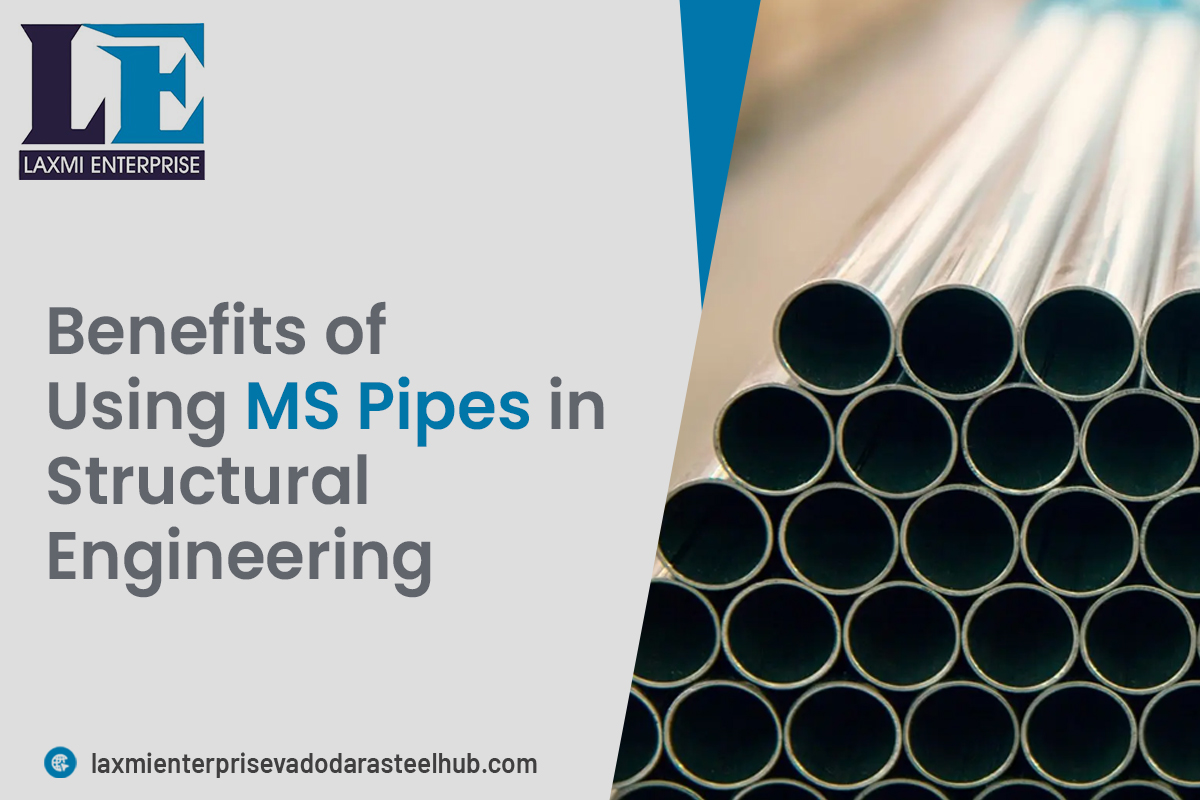
Benefits of Using MS Pipes in Structural Engineering

Mild steel pipes are widely used in construction and industrial applications for their flexibility and excellent machinability. Comprised of low-carbon content, MS pipes are easier to work with and exhibit tensile strength, making them ideal for various applications. In this blog, we explore the benefits of using MS pipes in structural engineering, shedding light on how mild steel pipes are a great investment option for your projects. 

Common Applications of MS Pipes in Structural Engineering

  • Construction & Structural Support: MS pipes are widely used in structural building frames, bridges and industrial construction. 
  • HVAC Systems: Used for heating, ventilation and air conditioning systems to carry air, water and gases in buildings. 
  • Plumbing: They are employed in plumbing systems in carrying water, sewage in residential, commercial and industrial establishments.

Also Check: MS Plates’ Advantages For The Construction Sector

Benefits of Using MS Pipes in Structural Engineering

  • Ease of Fabrication
    MS pipes have a low carbon content that makes them easy to cut, drill, weld and bend. This property of mild steel makes it ideal for projects that need tailored sizes of MS pipes. If you want MS pipes in custom sizes, Laxmi Enterprise is MS steel product supplier in Vadodara you can trust.
  • Tensile Strength
    One of the best benefits of using MS pipes is their high tensile strength and durability. They can withstand high pressure and temperature, which makes them suitable for carrying fluids and gases under varying conditions.
  • Resistant to Corrosion & Abrasion
    Mild steel pipes are highly resistant to corrosion and abrasion. They are ideal to carry fluids or gases through extreme conditions. MS pipes can withstand exposure to chemicals, wear & tear and harsh components without compromising structural integrity.
  • Versatility
    These mild steel pipes are highly versatile and can be used in a wide range of applications. They can be cut to desired lengths and welded together, which allows for customization and flexibility in applications.
  • Maintenance of MS Pipes
    Mild steel pipes are very low-maintenance and have a long service life. The best way to prevent corrosion and prolong longevity is to coat the pipes with a layer of zinc or other surface treatment. Regular inspection can help detect any signs of degradation before they become a problem.

Choose Laxmi Enterprise for Top Quality MS Pipes

Laxmi Enterprise mild steel pipes supplier in Vadodara, offering a wide range of MS pipes. We provide MS round pipes, MS square pipes and MS rectangular pipes customized for your project. We priortize quality, customer satisfaction and timely delivery to ensure you get the best quality mild pipes for your project. For the best quotes, call us today. 

Also Read: How Steel Shapes the Future of Renewable Energy Projects

Categories
MS Steel MS Steel Bars steel plates

The Use of Steel in the Agriculture Sector

Steel plays a pivotal role in the agriculture sector. Its exceptional strength, versatility, ductility and durability make it indispensable in the agriculture industry. From equipment, machinery, irrigation systems, building & structures, storage, to fencing, mild steel benefits multiple applications. 

Role of Steel in the Agriculture Sector

Steel is one of the best materials for agriculture, renowned for its durability, affordability, tensile strength and machinability. Steel comes in many types and grades to match your desired performance characteristics for specific applications. Mild steel is widely used in the agricultural sector for machinery and equipment. MS plates are used in manufacturing ploughs, harrows, cultivators, etc. MS pipes are used in irrigation systems, water wells and other applications. Mild steel exhibits excellent corrosion resistance and can withstand extreme weather conditions that making it ideal for diverse agricultural uses.

Are you looking for a reputed MS steel product supplier in Vadodara? Laxmi Enterprise offers a wide range of MS products, including MS sheets, MS round tubes and pipes, MS bars & much more.

Different Uses of Steel in the Agriculture Sector

#1 Agricultural Equipment
Steel, particularly mild steel, is extensively used in the manufacturing of agricultural equipment and machinery. It is used in the production of machinery components, tractor parts, ploughs, harvesters, sprayers, rotavators, seed drills and other pieces of equipment.

#2 Agricultural Infrastructure
Mild steel’s tensile strength, durability & endurance to extreme conditions make it ideal for the construction of agricultural infrastructure. It is used for the construction of storage facilities, barns, greenhouse structures & supporting frames, fencing and irrigation systems. Moreover, MS steel’s high temperature resistance improves the safety of agricultural assets and livestock.

#3 Agricultural Storage
Safety of crops and proper storage are crucial in the agricultural industry. Grain silos and bins are primarily made from steel. They prevent spoilage and safeguard from pests, rodents and moisture. Also, high-resistance steel is used for storage tanks for storing fertilizers, chemicals and fuels to extend shelf life and preserve quality.

Conclusion

Steel is indispensable in the agriculture industry for its strength, durability, versatility and resistance against extreme weather conditions. Laxmi Enterprise takes great pride as an MS steel product supplier in Vadodara, delivering top-notch quality mild steel products for the agriculture sector. Whether you are looking to buy MS bars for equipment or MS TMT bars for infrastructure, we provide the best quality mild steel products at competitive prices. For the best quotes, call us. 

Also Read: The Future of Steel Manufacturing: Trends and Emerging Technologies

Categories
MS Pipes

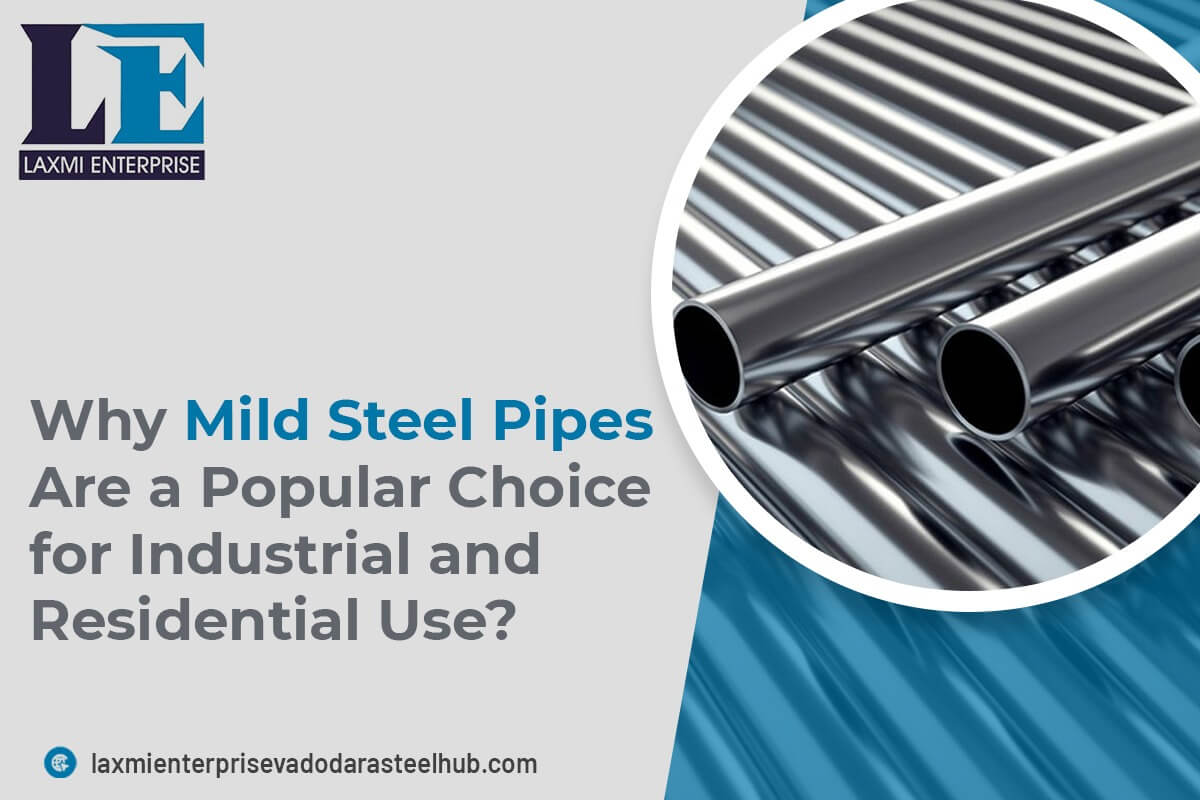
Why Mild Steel Pipes Are a Popular Choice for Industrial and Residential Use?

Mild steel pipes are a popular choice for industrial and residential uses due to their high-tensile strength, cost-effectiveness, durability, and versatility. MS pipes are suitable for construction, manufacturing, food & beverage processing, and transportation of gases and fluids. Their toughness and ability to withstand high pressure make them optimally perform even at higher temperatures in industrial and residential uses.

Reasons that Make Mild Steel Popular for Industrial and Residential Use

  • Strength & Durability

Mild steel pipes are renowned for their high tensile strength and durability, which makes them withstand high-pressure, heavy loads, and extreme climatic conditions. This property is crucial in industrial applications where reliability is important, as well as in everyday residential use. Laxmi Enterprise is a leading MS steel product supplier in Vadodara that offers top-quality MS pipes tailored to your unique industrial requirements. For technical dimensions, call us today.

Read: What Is BIS Certification for Steel Products

  • Versatility

Mild steel pipes come in various shapes, sizes, and thicknesses and can be used in different types of applications. These pipes can transport a variety of fluids and gases with ease. Moreover, they can be cut, welded, and shaped to meet the specific structural needs of diverse industries. We provide MS rectangular, MS square, and MS round tube in Vadodara at competitive prices.

  • Thermal Conductivity

These MS pipes exhibit excellent thermal conductivity, which makes them useful in applications that involve transferring heat, such as heating systems or other industrial processes where temperature regulation is crucial.

  • Compatibility with Other Materials

MS pipes can be used with other pipes made of materials like plastic and copper, as well as different types of fittings and connectors, enhancing their versatility in different systems. Moreover, they are readily available, so MS pipes can be easily spruced by mild steel pipes supplier in Vadodara.

These are some reasons that make MS steel pipes a popular and practical choice for industrial and residential uses, from residential plumbing to large-scale industrial systems. At Laxmi Enterprise, we offer a wide range of MS steel products in Vadodara that meet your diverse needs. Whether it is plumbing, construction, manufacturing, or agriculture, we provide high-quality MS pipes at the best prices. For customized MS steel products, contact us today.

laxmi enterprise vadodara steel hub Logo

We make it easy for our customers to order for any mildsteel material like pipe, channel, angle, beam, HR Sheet, CR sheet, TMT bars etc. We provide them according to their requirement at the best quality and cost also.

Get in touch

© 2026 Laxmi Enterprise | All Rights Reserved